Winter at the Jersey Shore can be sneaky. One week it's a mild, sunny October afternoon in Monmouth County, and the next it's a nor'easter with freezing rain, wind blowing through the gaps around your front door, and a hose you forgot to disconnect. The good news: most winter damage starts with small problems that are cheap and easy to fix before the cold arrives.
This checklist walks through the jobs worth doing in late fall, grouped by area of the house. Some you can knock out yourself on a Saturday morning. Others are better left to a pro. We'll point out which is which.
Why Fall Is the Right Time to Winterize
Caulk, paint and weatherstripping adhesives all need reasonable temperatures to cure properly. Once nights stay below freezing, many exterior repairs get harder or have to wait until spring. Fall is also when you can still comfortably get up on a step ladder, work outside without gloves, and spot problems like peeling trim or loose railings before snow hides them.
Shore towns like Long Branch, Asbury Park and Sea Bright deal with salt air and strong coastal wind on top of the cold, so drafts and weathered exterior trim show up faster there. Inland towns like Howell, Manalapan and Holmdel tend to see a few more hard freezes. Either way, the checklist is basically the same.
Doors and Windows: Stop the Drafts
Drafty doors and windows are the most common winter complaint we hear about. They make rooms feel colder and make your heating system work harder.
Check your weatherstripping
Close each exterior door on a strip of paper. If it slides out easily, the weatherstripping isn't sealing. Look for foam that's flattened, rubber that's cracked, or strips that have pulled away. Replacement weatherstripping is inexpensive and usually a straightforward swap.
Look at the door sweep and threshold
If you can see daylight under a closed door, cold air is getting in. A new door sweep or an adjusted threshold (the "saddle") often fixes it. If the door itself is warped, sagging or won't latch tight, it may be time to replace it.
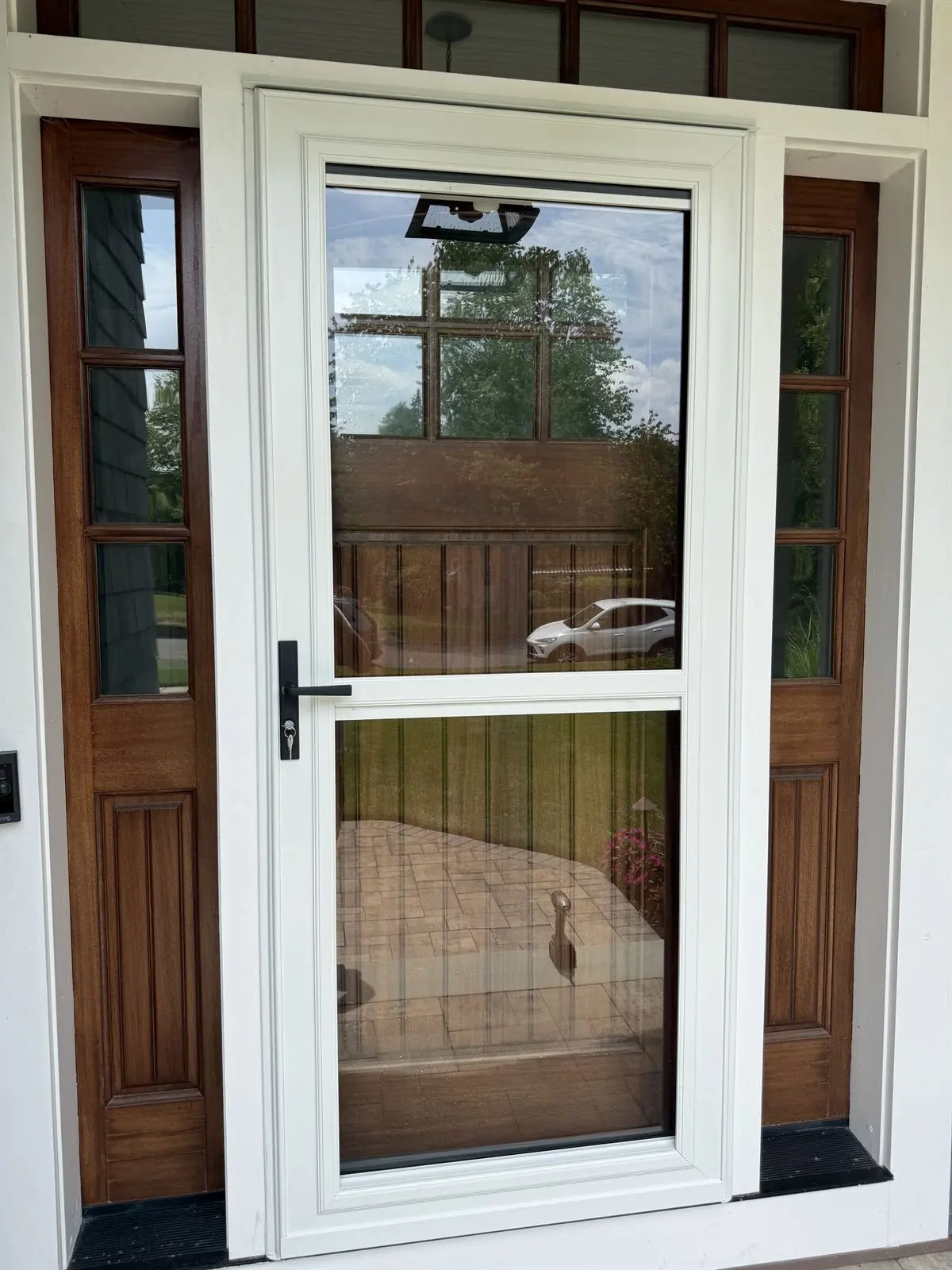
Consider a storm door
A storm door adds a layer of protection in front of your entry door against wind, rain and snow. It's a popular upgrade in Monmouth County because it helps in winter and, with a screen insert, gives you a breeze in spring and summer. Storm door installation usually runs around $250 – $400 for labor, plus the cost of the door if you don't already have one. See our door installation services for more.
Caulk around window and door trim
Walk around the outside of your house and look at the caulk where window and door trim meet the siding. Cracked or missing caulk lets in air and water. Re-caulking with an exterior-grade sealant is a good fall project, as long as you do it on a dry day above the temperature listed on the tube.
Outdoor Faucets and Hoses
Frozen outdoor faucets (hose bibs) are one of the most common causes of winter leaks. When water trapped in the pipe freezes, it can split the pipe, and you may not notice until it thaws and starts leaking inside a wall or basement.
- Disconnect and drain every garden hose. A hose left attached can trap water in the faucet even if it's a frost-free model.
- Find the indoor shut-off valve for each outdoor faucet if your home has one (often in the basement or a utility area). Turning it off and then opening the outdoor faucet to let it drain is a common winterizing step.
- Add an insulated faucet cover for extra protection on exposed spigots.
Gutters, Roof Edges and Exterior Trim
Clean the gutters after the leaves drop
Clogged gutters overflow during fall storms and can freeze into ice dams in winter, pushing water under shingles and behind fascia boards. Wait until most of the leaves are down (usually November in Monmouth County), then clear the gutters and make sure downspouts carry water away from your foundation.
Gutter cleaning means working on a ladder, often two stories up. If you're not comfortable with that, hire someone who has the right equipment. It's not worth the risk.
Check fascia and trim for rot
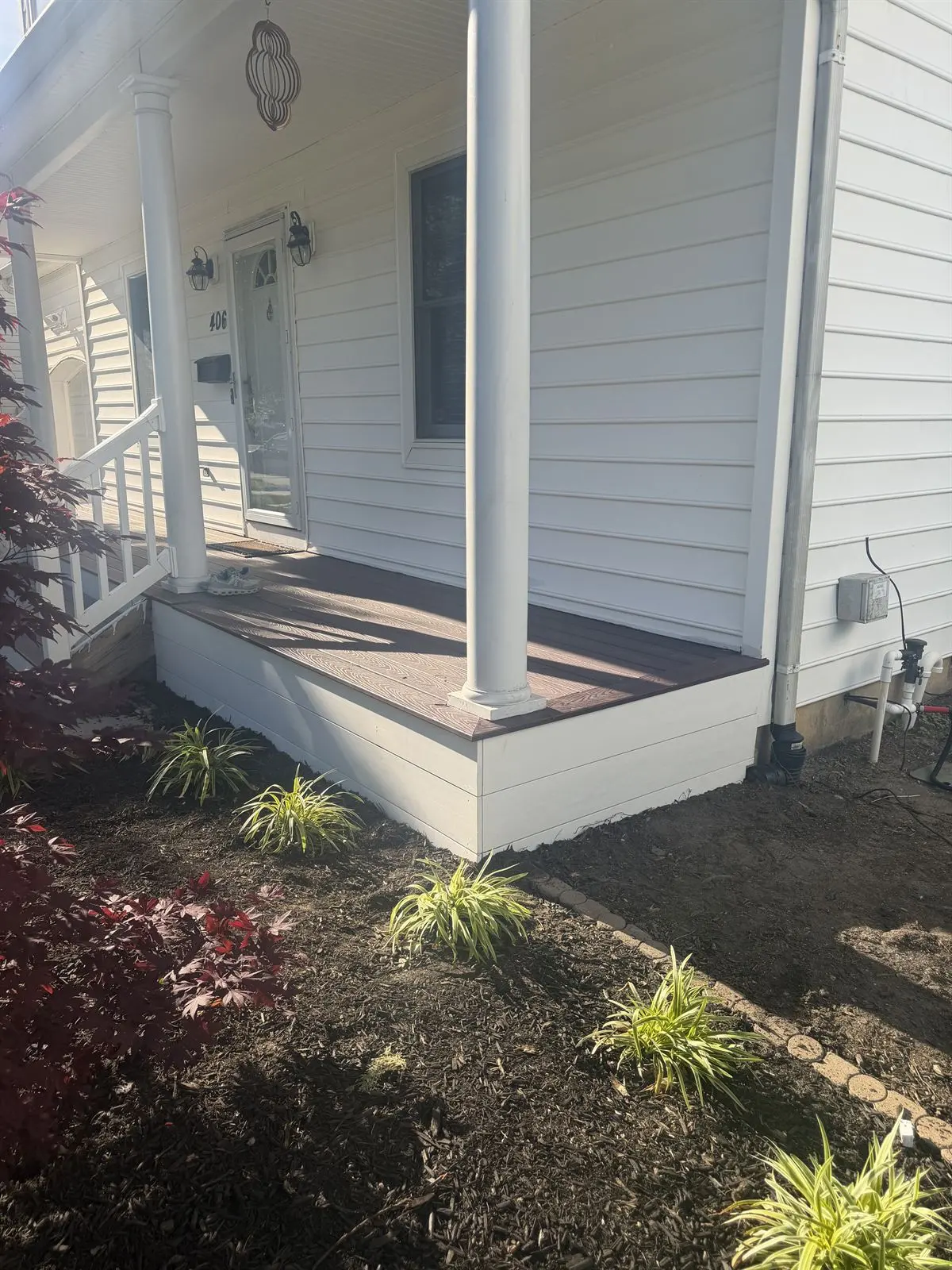
While you're looking up, check the fascia boards, soffits and exterior trim. Soft spots, peeling paint or dark stains usually mean moisture is getting in. Rotted trim only gets worse after a winter of freeze-and-thaw, so fall is a great time to replace damaged sections.
Safety Checks Inside the House
Winter is when homes are sealed up tight and heating systems, fireplaces and space heaters are running. That makes it the most important time of year for these checks.
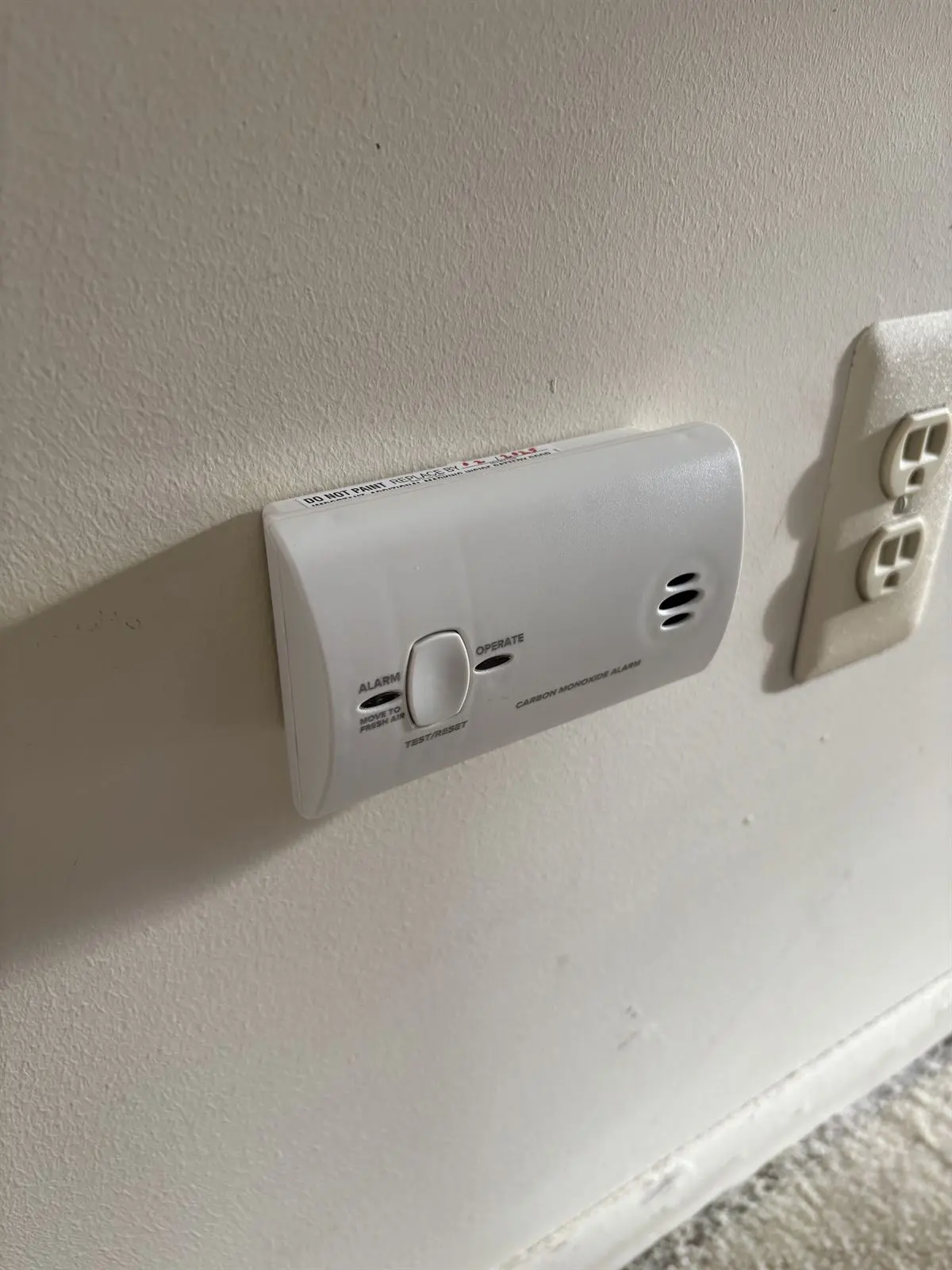
Test smoke and carbon monoxide detectors
Press the test button on every smoke and CO detector, and replace batteries in any battery-powered units. Check the date on the back of each detector, since they don't last forever, and replace any that are past the manufacturer's recommended life. Make sure you have CO detectors near sleeping areas and on each level of the home.
Hardwired detectors are connected to your home's electrical system, so replacing them should be done by someone qualified. Swapping existing hardwired smoke or CO detectors typically runs $100 – $175 through our minor electrical service. New circuits or new wiring should be handled by a licensed electrician.
Schedule heating and chimney service
Have your furnace or boiler serviced by an HVAC technician before the first real cold snap, and swap out the furnace filter. If you use a fireplace or wood stove, have the chimney inspected and cleaned by a certified chimney professional. These aren't handyman jobs, but they belong on every winter checklist.
Check stair railings and handrails
Wet boots and icy steps make winter a bad time for a wobbly railing. Give every interior and exterior handrail a firm shake. Loose brackets and railings are usually a quick fix, and it's one of those repairs that's easy to put off until someone slips.
Small Fixes That Make Winter More Comfortable
Beyond the big-ticket items, there are a handful of small jobs that make the colder months easier:
- Swap screens for storm inserts on storm doors and storm windows, and repair torn screens now so they're ready in spring.
- Reverse ceiling fans to run clockwise at low speed, which pushes warm air down from the ceiling.
- Patch drywall cracks near windows and doors. Small cracks that show up as the heat comes on are often just seasonal movement and are easy to patch and touch up.
- Fix sticking doors before humidity changes make them worse.
- Tighten loose cabinet doors, hinges and hardware while you're spending more time indoors.
- Hang hooks and shelves in the entry or mudroom for coats, boots and gear.
For more ideas, check out our post on 10 small home repairs that add big value.
What Does a Fall Fix-It Visit Cost?
Many homeowners find it easiest to make a list and have a handyman knock everything out in one visit. Here are typical ranges for general repairs in Monmouth County, in line with our online estimator:
- 1 – 2 small fixes: about $150 – $250
- 3 – 5 small fixes: about $250 – $450
- 6+ items (a half or full day): about $450 – $800
- Picking up parts or materials: usually adds about $25 – $100
Your Quick Winter Prep Checklist
Print this out or screenshot it:
- Test the weatherstripping on all exterior doors
- Replace worn door sweeps; adjust thresholds
- Re-caulk exterior window and door trim on a dry, mild day
- Disconnect hoses and winterize outdoor faucets
- Clean gutters and check that downspouts drain away from the house
- Inspect fascia and exterior trim for rot
- Test smoke and CO detectors; replace batteries
- Schedule furnace and chimney service with licensed pros
- Tighten loose railings and handrails
- Reverse ceiling fans and swap in storm door glass
Enjay Improvements is licensed and insured and serves homeowners across Monmouth County, including Red Bank, Middletown, Long Branch, Holmdel, Howell, Hazlet, Wall and Manalapan. If your list is longer than your free weekends, we're happy to help.
Get your home ready for winter
Send us your fix-it list and we'll give you an honest price before any work starts.
Learn more about our general repair services in Monmouth County →